
Midjourney 8.1 introduces “raw mode,” a feature designed to reduce the AI’s default artistic stylization, resulting in more literal interpretations of user prompts. Thaeyne tested this setting using one-word prompts, keeping the seed fixed at 777 to ensure consistent outputs. The experiment included terms ranging from abstract concepts like “Accretion” to detailed visuals such as “Damask,” offering a clear view of how the model transitions between photorealism and abstract representation.
Explore how raw mode shifts the balance between realism and stylization, with specific examples like “Petrichor” and “Chiaroscuro” showcasing its range. Learn how this setting compares to default modes in terms of user control and output variability. This overview also examines practical considerations for creative applications and potential limitations when working with raw mode in AI-generated imagery.
Understanding Raw Mode
TL;DR Key Takeaways :
- Midjourney 8.1 introduces “raw mode,” a feature that minimizes artistic enhancements, offering users more literal and precise interpretations of prompts.
- Raw mode emphasizes photorealism and avoids over-stylization, making it ideal for users seeking greater control over AI-generated imagery.
- Testing with one-word prompts revealed the model’s flexibility, producing outputs ranging from photorealistic depictions to abstract and anime-inspired visuals.
- Notable prompt interpretations, such as “Accretion” and “Chiaroscuro,” highlight the model’s ability to balance realism with creative abstraction.
- Currently available through the alpha website, raw mode sets the stage for future updates like version 8.2, promising further refinements and expanded creative possibilities.
Raw mode in Midjourney 8.1 strips away the AI’s automatic stylization, delivering outputs that closely align with user input. Unlike the default style, which leans heavily into artistic embellishments, raw mode emphasizes photorealism and avoids unnecessary over-stylization. This feature is especially useful for users who require outputs tailored to specific design or conceptual needs. Whether working on abstract ideas or tangible objects, raw mode provides a cleaner, more literal approach to AI-generated art. By reducing artistic interference, it allows for greater control over the final output, making it a versatile tool for both creative professionals and hobbyists.
Testing Methodology
To evaluate raw mode, a structured test was conducted using one-word prompts under default settings, with the seed fixed at 777 to ensure consistent results. A total of 100 images were generated and 50 were selected for detailed analysis. This approach allowed for a focused examination of how the model interprets and visualizes single-word concepts, ranging from abstract notions to concrete items. The controlled environment ensured that the results reflected the model’s capabilities in raw mode without external variables influencing the outcomes.
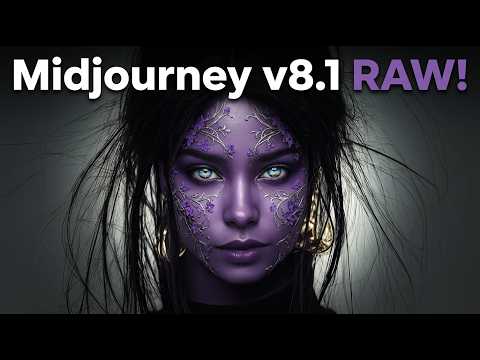
Gain further expertise in Midjourney by checking out these recommendations.
Key Findings and Observations
The results from raw mode revealed a wide range of styles, from highly photorealistic depictions to abstract and anime-inspired aesthetics. Some prompts produced lifelike images with intricate details, while others explored textures, patterns, or artistic interpretations. This diversity underscores the model’s flexibility and its ability to adapt to various creative directions.
Photorealism: Many outputs demonstrated a strong focus on realism, with detailed textures and lifelike representations of objects and environments.
Abstract Creativity: Certain prompts leaned into abstract interpretations, showcasing the model’s ability to generate unique and imaginative visuals.
Stylistic Range: The outputs varied from classical art-inspired compositions to modern, anime-style aesthetics, depending on the nature of the prompt.
Notable Prompt Interpretations
Certain one-word prompts yielded particularly striking results, highlighting the model’s ability to balance realism with creative abstraction. Examples include:
- Accretion: Organic, layered growth aesthetics with intricate textures, resembling natural formations.
- Amaranthine: Ethereal, anime-style characters with leafy, dreamlike qualities, blending fantasy and elegance.
- Chiaroscuro: Moody, high-contrast visuals reminiscent of classical art, emphasizing light and shadow interplay.
- Damask: Rich, fabric-like patterns with intricate details, evoking a sense of luxury and craftsmanship.
- Nebulous: Vibrant, hazy cloud formations that create a surreal and atmospheric effect.
- Petrichor: Atmospheric, rain-inspired imagery with illustrative qualities, capturing the essence of fresh rainfall.
These examples demonstrate the model’s ability to interpret prompts with both precision and creativity, offering a glimpse into its potential for diverse artistic applications.
Comparing Raw Mode to the Default Style
When compared to the default style of version 8.1, raw mode outputs are noticeably more photorealistic and less influenced by dark fantasy elements. The default style often incorporates heavy stylization, which can overshadow the user’s original intent. In contrast, raw mode provides a cleaner, more literal approach, making it ideal for users seeking greater control over their creative projects. This distinction is particularly evident in the way raw mode handles prompts, focusing on clarity and precision rather than artistic embellishment.
Availability and Future Developments
Currently, Midjourney 8.1 is accessible exclusively through the alpha website, limiting its availability to a select group of users. However, the anticipated release of version 8.2 suggests that further refinements and enhancements may soon be introduced. These updates could expand the model’s capabilities, offering users even greater creative control and flexibility. As Midjourney continues to evolve, features like raw mode are likely to play a significant role in shaping the future of AI-driven creativity.
Refining the Creative Process
Midjourney 8.1’s raw mode represents a significant step forward in AI image generation, providing users with a unique combination of precision and adaptability. By reducing the AI’s default artistic enhancements, raw mode enables more literal and controlled interpretations of prompts, making it an invaluable tool for a wide range of creative applications. Whether you prefer the raw style for its photorealism or the default approach for its artistic flair, this feature demonstrates the model’s growing versatility and its potential to redefine the boundaries of AI-generated art.
Media Credit: Thaeyne
Disclosure: Some of our articles include affiliate links. If you buy something through one of these links, Geeky Gadgets may earn an affiliate commission. Learn about our Disclosure Policy.
